Peak Shaving Calculation: How to Size It and What You Save

Peak shaving means covering your short load peaks from a battery so your metered peak demand — and the demand charge based on it — drops. The calculation follows five steps: find the peak, set a target ceiling, derive the power gap, the energy behind it, and then the battery size.
1) Read your highest 15-minute average power from the load profile (kW). 2) Set a target ceiling you want to stay under. 3) Power to shave = peak − target (kW). 4) Energy to shave = power × the duration the peak stays above the ceiling (kWh). 5) Battery size = that energy divided by usable depth-of-discharge and round-trip efficiency, with the inverter rated for at least the power gap. Both numbers matter: the inverter must deliver the kW, the cells must hold the kWh.
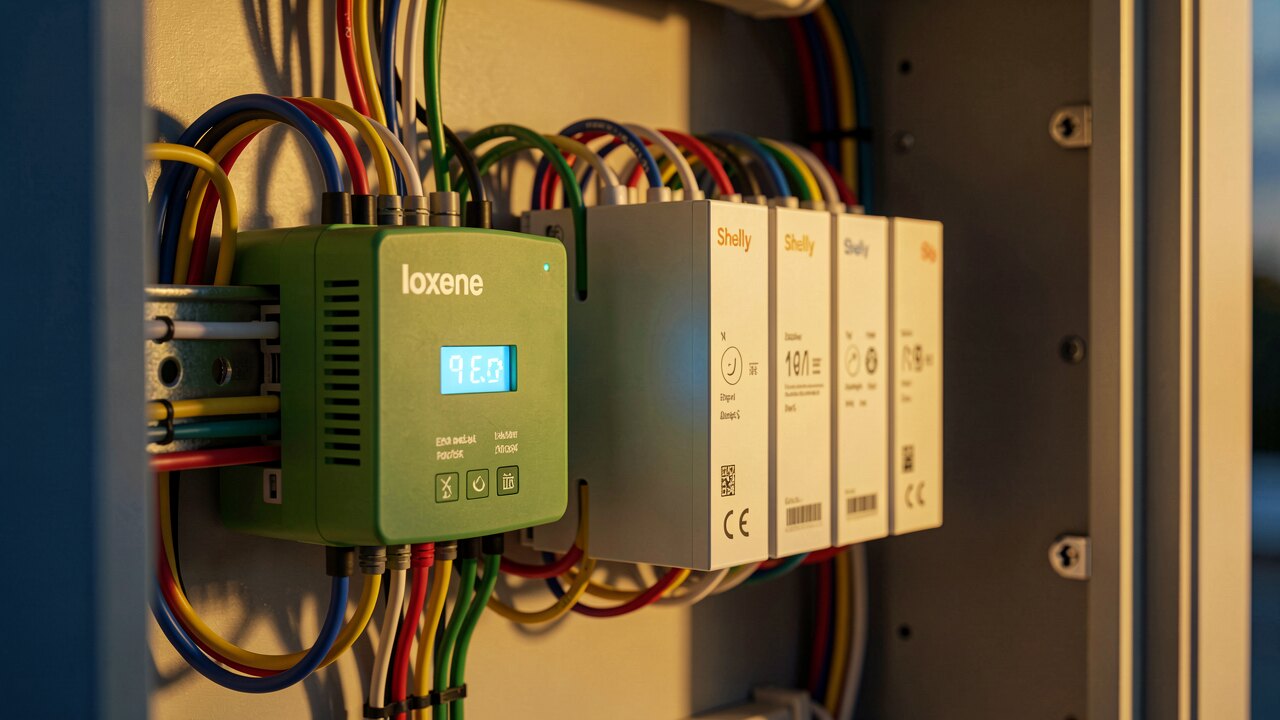
Peak demand 500 kW, target 400 kW → you must shave 100 kW. The peak stays above 400 kW for about 45 minutes (0.75 h), so energy = 100 kW × 0.75 h = 75 kWh. With ~90% usable DoD and ~90% round-trip efficiency, the battery needs roughly 75 / (0.9 × 0.9) ≈ 93 kWh, paired with an inverter of at least 100 kW. Longer or more frequent peaks push the kWh up; higher peaks push the kW up.
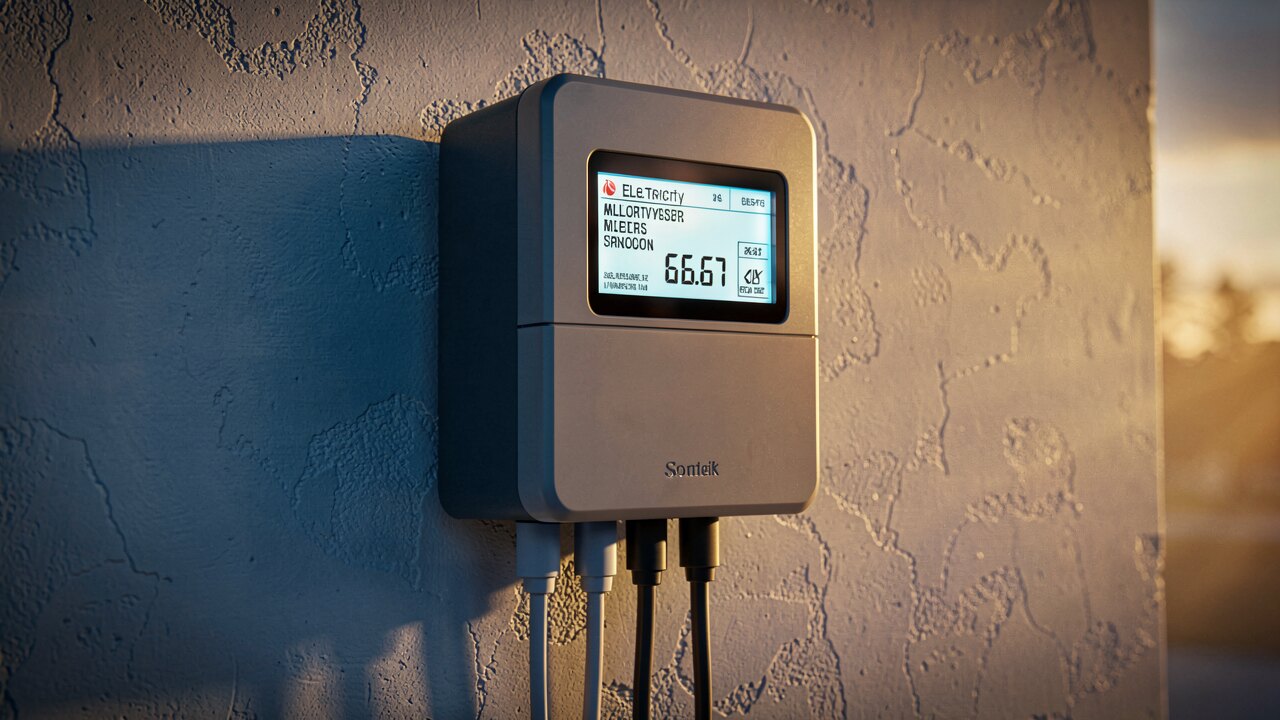
The grid operator bills the demand charge on your single highest 15-minute average of the billing period — one peak sets the price for the whole term. So the calculation is not about total consumption but about that worst quarter-hour. A battery that discharges precisely during those minutes lowers the measured peak (the billing base), which is exactly where the saving comes from.

Annual demand-charge saving ≈ shaved power (kW) × the demand charge rate (currency per kW). If you shave 100 kW at, say, a rate of 100 per kW·year, that is 10,000 per year — before adding any arbitrage from charging cheap and discharging expensive. Always use your own tariff's rate and confirm the peak is recurring, not a one-off, so the battery can actually catch it every billing period.
A high-resolution load profile (ideally 15-minute values over a full year), your tariff's demand charge rate, and the shape of your peaks — how high, how long, how often. Without the profile you are guessing; a single seasonal peak versus daily recurring peaks lead to very different battery sizes and payback.
Sizing only for energy (kWh) and forgetting the inverter power (kW), ignoring efficiency and depth-of-discharge losses, and setting the target ceiling too low so the battery empties before the peak ends and the peak is still recorded. Also check the state-of-charge is restored between peaks, otherwise the battery cannot shave the next one.